How Failing Gutters Cause Siding Damage
When the spring thaw finally arrives in the Capitol Region, it is tempting to simply enjoy the warmer weather and forget about the harsh winter we just endured. However, melting snow and frequent spring showers put your home's exterior to the ultimate test. Your roof, gutters, and siding work together as a comprehensive defense system against moisture. When one part of that system fails, the others are forced to bear the brunt of the elements.
One of the most common, yet frequently overlooked, issues we see at DryTop Roofing CT is the destructive relationship between a compromised gutter system and a home's exterior walls. Gutters are designed to be the unsung heroes of your property, quietly channeling gallons of water away from your foundation and walls. But when they become clogged, sag, or pull away from the fascia board, that water has to go somewhere. Unfortunately, it usually goes straight down the side of your house.
Over time, this constant exposure to cascading water can compromise your exterior, leading to costly repairs. Understanding how this process happens and what to look out for is the first step in protecting your home from unnecessary water damage.
How Overflowing Gutters Ruin Exterior Walls
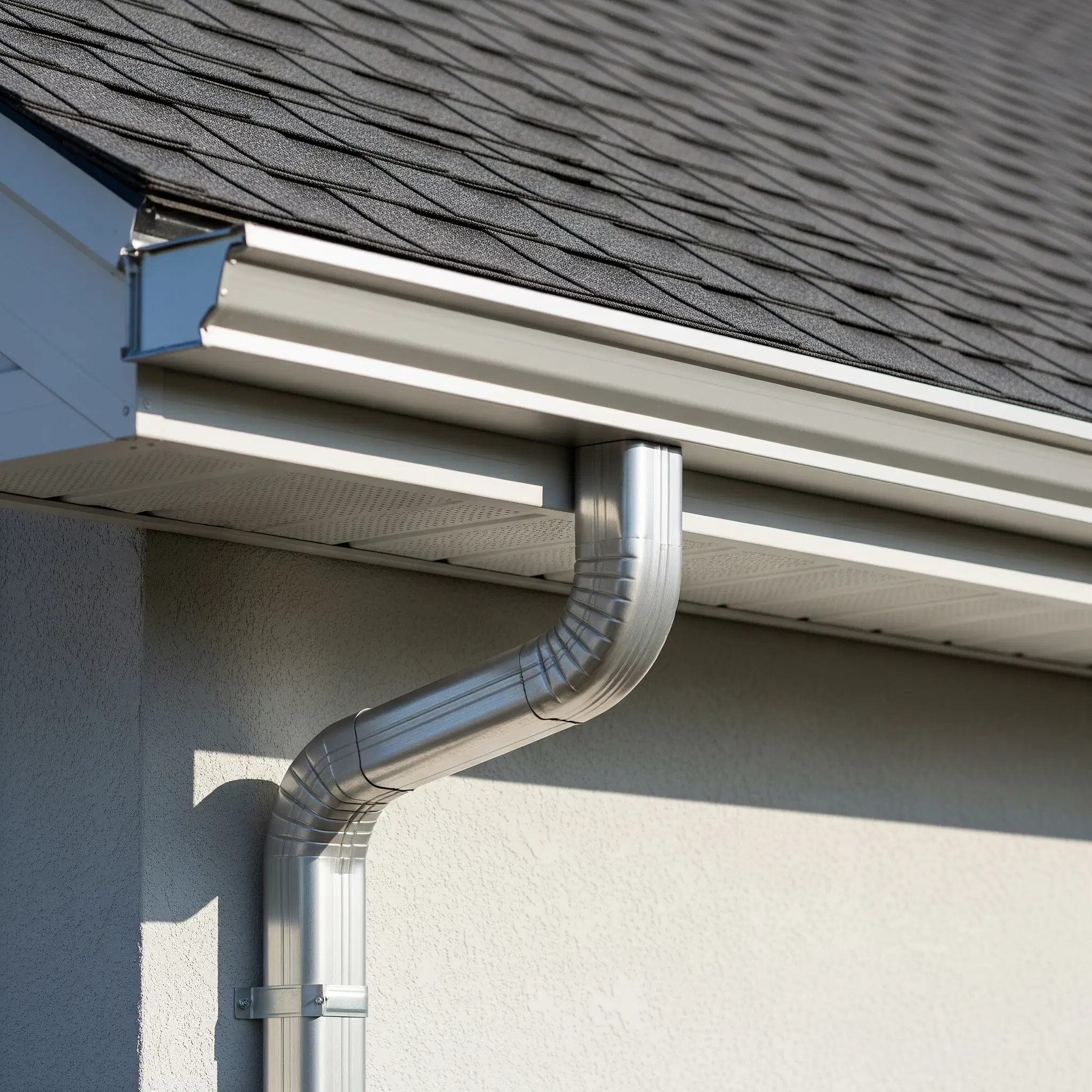
To understand how overflowing gutters ruin exterior walls, it helps to look at how water behaves. When a sudden Nor'easter brings heavy, driving rain, a properly functioning gutter system captures the runoff from your roof and directs it through the downspouts.
If your gutters are packed with fallen leaves, twigs, or leftover debris from winter ice dams, the water quickly backs up. Unable to flow through the downspout, it spills over the front and back edges of the gutter trough. The water that spills over the back edge is particularly dangerous. It seeps directly behind the gutter, running down the fascia board and soaking into your siding.
Most siding materials are highly effective at shedding water that hits them directly from the outside, like rain. However, they are not designed to handle a continuous sheet of water pouring down from above and seeping behind their protective overlap. Whether your home is wrapped in vinyl, wood clapboard, or fiber cement, relentless moisture exposure will eventually break down the material. Wood begins to soften and rot, while vinyl can trap moisture underneath, creating a perfect environment for mold and mildew to thrive against your home's framing.
Eventually, this excess moisture can work its way past the exterior barriers entirely, penetrating the structural wood of your home. What begins as a simple clogged gutter can quickly escalate into a situation requiring extensive roof repairs to fix rotted eaves and fascia boards.
Signs of Water Damage Behind Siding
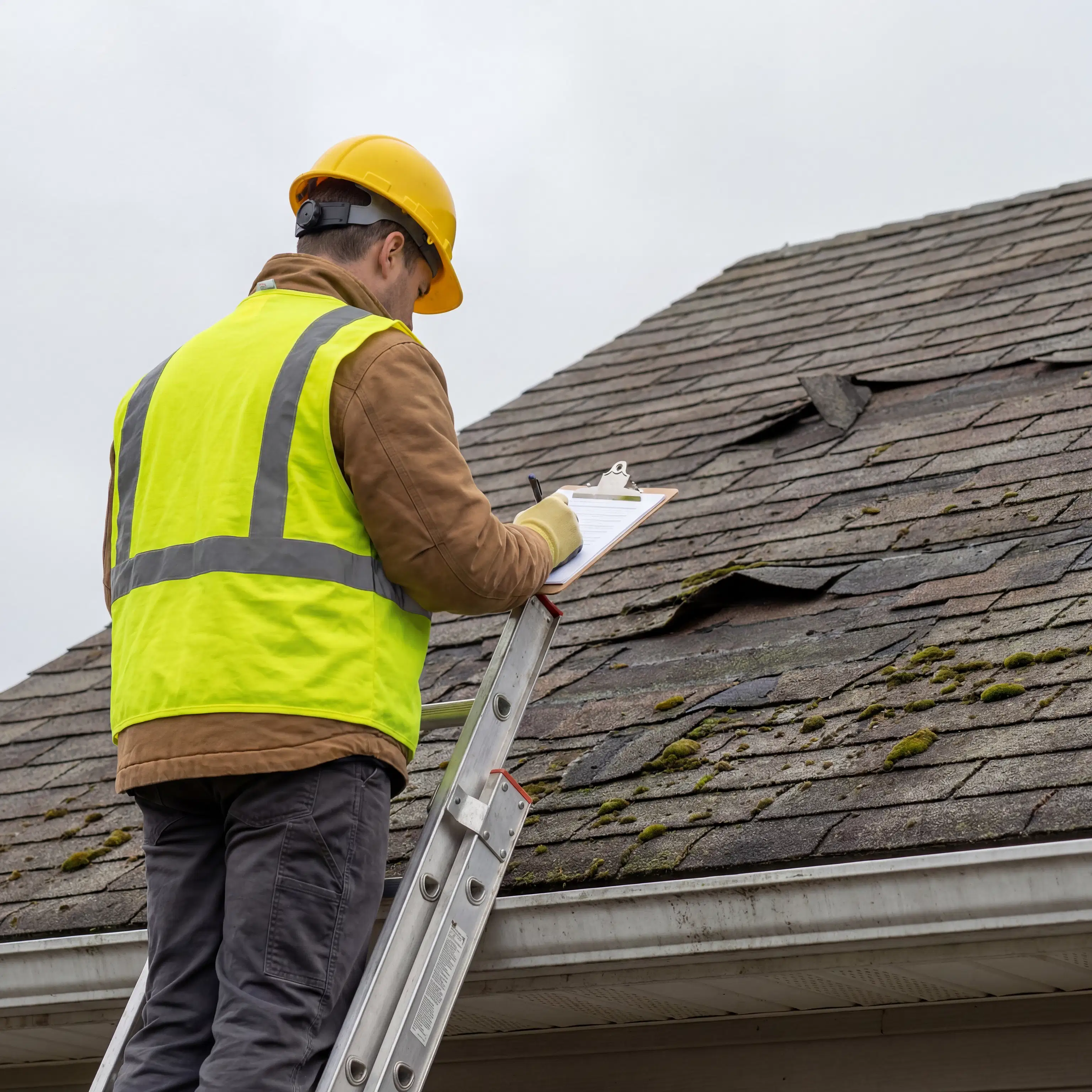
Because the most severe damage often happens beneath the surface, it can be difficult for a homeowner to spot the problem before it becomes a major structural issue. However, there are several telltale signs of water damage behind siding that you can look for during a routine walk around your property.
First, inspect the paint or finish on your exterior walls. If you notice peeling, bubbling, or blistering paint, it is often a sign that moisture is trapped inside the wood, pushing its way out. For homes with vinyl siding, look for unusual warping or sections that seem to bulge outward, which can indicate that the material underneath is swollen with water.
Another critical red flag is the presence of stubborn stains or discoloration running vertically down your walls. These water trails are a clear indicator that your gutters are repeatedly overflowing in specific areas. You might also notice a persistent damp smell or visible mold and algae growth on the shadier sides of your house.
Inside your home, check the ceilings and walls near the roofline. Peeling wallpaper or brown water spots inside your living space often mean that the exterior envelope has been breached. If you notice any of these symptoms, it is essential to act quickly. Delaying action only allows the rot to spread, turning a manageable maintenance task into a highly disruptive repair project.
The Smart Approach: Replacing Gutters and Siding Together
When water damage has compromised your home's exterior, applying a patch is rarely a permanent solution. If the siding is rotting because the gutters are failing, fixing only one of those elements leaves the other vulnerable. This is why many property owners find that replacing gutters and siding together is the most effective, long-term strategy.
Tackling these two projects simultaneously ensures a completely unified defense against the weather. When our team installs new siding, we can properly inspect and replace any hidden rotted wood beneath the surface. By immediately following up with a seamless gutter installation, we ensure that the flashing and drip edges are perfectly integrated. This eliminates the awkward gaps and vulnerabilities that often occur when two different contractors perform the work years apart.
Furthermore, combining these projects minimizes the disruption to your daily life. Instead of enduring two separate construction schedules, staging areas, and cleanups, the entire exterior renovation is handled in one smooth, coordinated process.
At DryTop Roofing CT, we believe in providing honest, transparent advice for the long-term health of your Hartford area home. We don't just want to put a bandage on a symptom; we want to solve the underlying problem. If your home is showing the wear and tear of our harsh regional weather, reach out to our team today. We will personally evaluate your roof, gutters, and siding to recommend the smartest, most durable solution for your property.