Don't Let Ice Dams Win: How Proper Attic Ventilation Protects Your Connecticut Home
Every Connecticut homeowner knows the feeling. After a big winter storm or a classic Nor'easter, you look up at your roof and see them: thick, menacing icicles hanging from the eaves. While they might look picturesque, they’re often a sign of a hidden problem—an ice dam. These ridges of ice can cause serious damage, forcing water under your shingles and into your home, leading to stained ceilings, damaged insulation, and costly repairs. Many people think ice dams are an unavoidable part of winter in the Hartford area, but the truth is they are a symptom of a bigger issue. The real culprit isn't just the snow and ice; it's a lack of proper attic ventilation. In this guide, we'll explain how your attic's breathing system is the key to preventing ice dams and protecting your home's value.
What Really Causes an Ice Dam?
An ice dam forms when the upper part of your roof is warmer than the bottom edge at the eaves. This temperature difference is almost always caused by heat escaping from your home's living space into the attic. If your attic is poorly ventilated, that warm air gets trapped. Here’s the step-by-step breakdown of how the damage happens:
- Heat Loss: Warm air rises into your attic, heating the underside of the roof deck.
- Snow Melts: This warmth causes the snow on your roof to melt from the bottom up, even when the outside temperature is below freezing.
- Water Runs Down: The melted snow (water) flows down the slope of your roof underneath the blanket of snow.
- Water Refreezes: When the water reaches the cold eaves and gutters, which are not warmed by attic heat, it refreezes, creating a small ridge of ice.
- The Dam Grows: As more water flows down and freezes, this ridge grows into a thick, solid ice dam.
- Water Backs Up: The dam blocks new meltwater from draining off the roof. This trapped water forms a pool that can back up under your shingles, which are designed to shed falling water, not to waterproof against standing water. From there, it can leak into your attic, insulation, and even down into your home's walls and ceilings.
Simply put, an ice dam is a clear sign that your roof and attic aren't working together correctly to manage heat and moisture.
The Solution: A Roof That Can Breathe
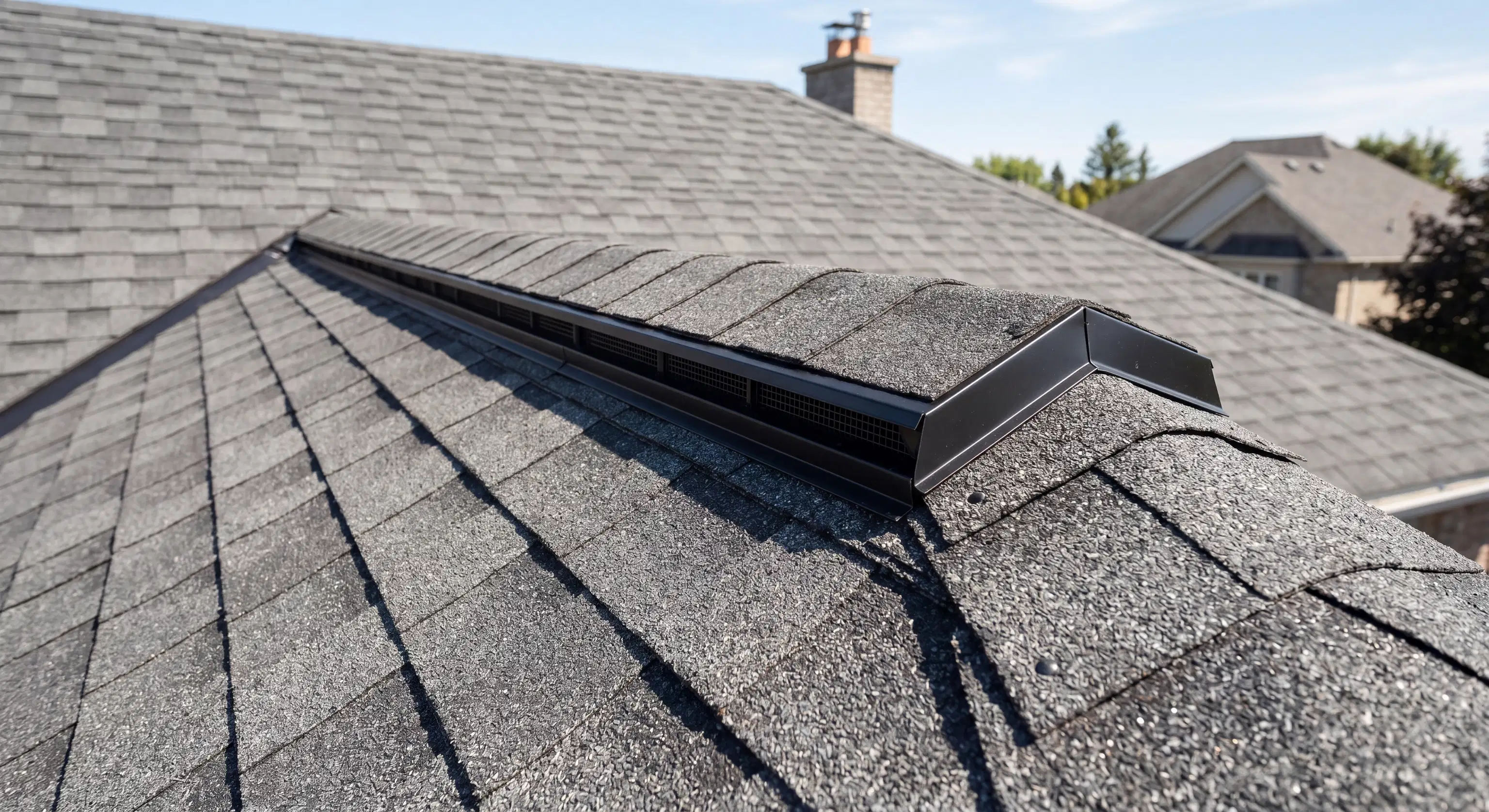
A well-ventilated attic is the most effective, long-term defense against ice dams. The goal is to keep your attic temperature as close to the outside temperature as possible. This is achieved through a balanced ventilation system that creates continuous airflow.
- Intake Vents: Located at the lowest part of the roof (usually in the soffits or eaves), these vents allow cool, dry air to enter the attic.
- Exhaust Vents: Located at the highest point of the roof (like a ridge vent), these vents allow warm, moist air to escape.
This system works on a natural principle called the stack effect. As warm air rises, it exits through the exhaust vents, creating negative pressure that pulls in fresh, cool air through the intake vents. This constant circulation keeps the roof deck cold, preventing snow from melting due to heat loss from your home. As a result, the snow on your roof melts more evenly when the sun comes out, and the water drains away properly instead of refreezing at the eaves.
Beyond preventing ice dams, proper attic ventilation also:
- Extends the life of your shingles: Trapped heat can bake shingles from the inside out, causing them to become brittle and fail prematurely.
- Reduces energy costs: In the summer, a hot attic radiates heat down into your home, making your air conditioning work harder. Ventilation helps release this heat.
- Prevents moisture buildup: It helps vent moisture from sources like bathrooms and kitchens, reducing the risk of mold, mildew, and wood rot in your attic.
Telltale Signs of Poor Attic Ventilation
How can you tell if your attic has a ventilation problem? You don't have to wait for a leak to appear. Here are some common warning signs to look for:
- Recurring Ice Dams: The most obvious sign. If you get them year after year, it's a system failure, not bad luck.
- Thick Icicles: While some icicles are normal, an excessive number of thick icicles concentrated at the eaves points to a refreezing problem.
- Frost in the Attic: On a cold day, check your attic. If you see frost on the underside of the roof sheathing or on exposed nail heads, it means warm, moist air is trapped and condensing.
- Curling or Cracked Shingles: As mentioned, excessive heat can prematurely age your roofing materials.
- Stuffy or Hot Second Floor: If your upstairs rooms are consistently hotter than the rest of the house in the summer, a poorly ventilated attic is likely a contributing factor.
If you notice any of these signs, it's time to have a professional take a look. A small investment in improving ventilation can save you from thousands of dollars in future roof repairs.
How We Create a Long-Term Solution
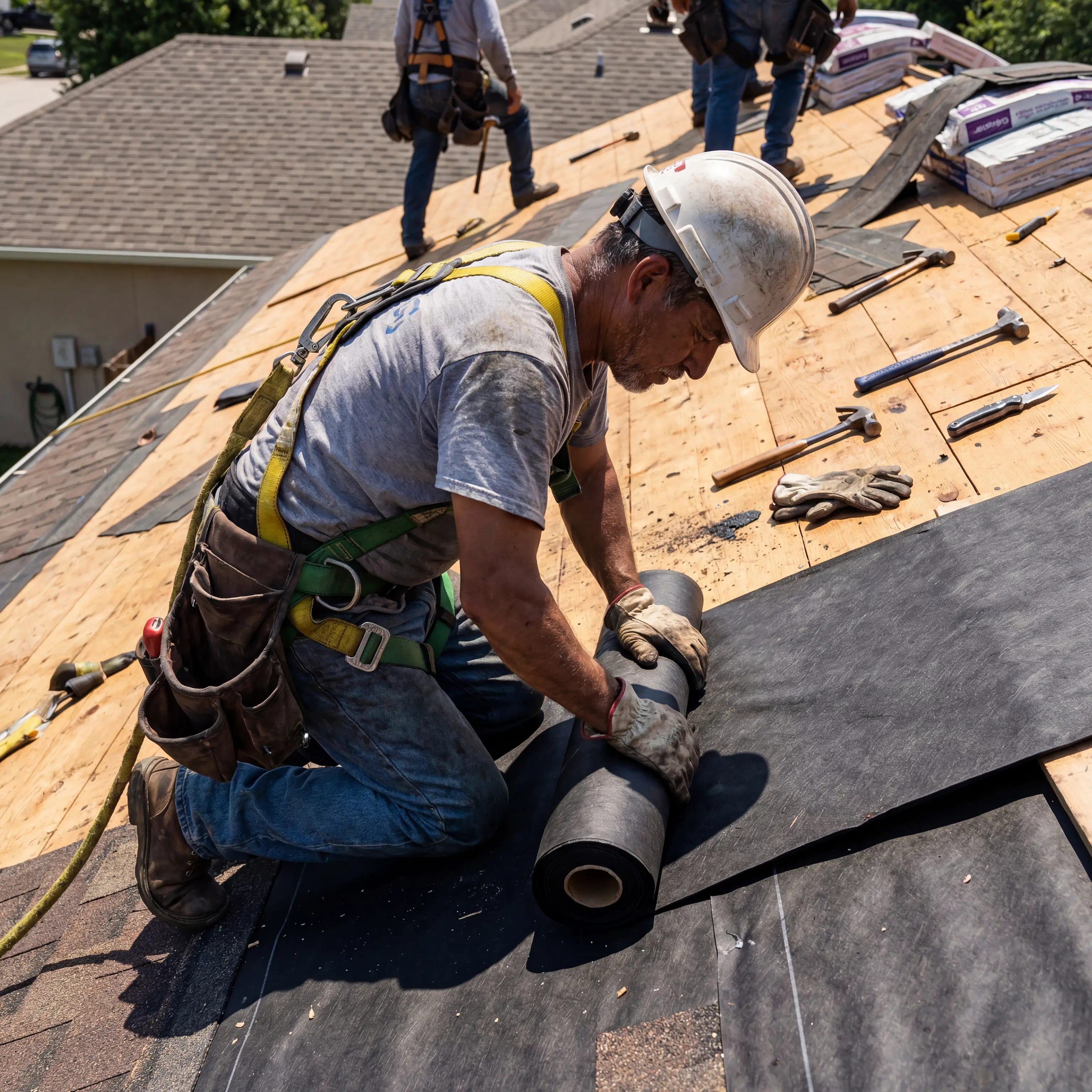
At DryTop Roofing CT, we don't just treat the symptoms; we solve the underlying problem. Fixing ventilation issues requires a holistic approach that looks at your entire roofing system.
Our process begins with a comprehensive roof inspection. We assess not only the condition of your shingles but also your existing ventilation, the state of your attic insulation, and the overall structure. We identify hot spots, blocked vents, and imbalances in your current system.
Based on our findings, we design a balanced ventilation solution tailored to your home's specific needs. This may involve:
- Installing or clearing soffit vents to ensure adequate air intake.
- Adding a ridge vent for optimal heat and moisture exhaust.
- Ensuring insulation is properly placed so it doesn't block airflow at the eaves.
Whether as part of a full roof replacement or as a standalone service, our team ensures that every component is installed with precision. We believe in providing our customers with a roofing system that offers true peace of mind and reliable, year-round protection.
Protect Your Home This Winter and Beyond
Ice dams are more than just a winter nuisance; they are a serious threat to the integrity of your home. By understanding that the root cause lies within your attic, you can take the right steps to prevent them for good. A properly ventilated attic is one of the smartest investments you can make for your property, protecting your roof, improving energy efficiency, and preventing costly water damage.
If you've struggled with ice dams or suspect your Hartford home's ventilation is underperforming, don't wait for the next storm to cause damage. Contact DryTop Roofing CT today to schedule a professional roof inspection. Let our experts provide you with a lasting solution that keeps your home safe and dry, no matter what a Connecticut winter throws your way.