A Property Manager's Guide to Protecting Multi-Family Roofs from Nor'easters
For property managers and condo association boards in the Hartford area, the threat of a powerful Nor'easter is a familiar concern. These storms bring high winds, heavy precipitation, and the potential for significant damage, turning a minor roofing issue into a major crisis across multiple units. Managing a multi-family property like a condominium complex or townhome community presents unique challenges, where a single roof failure can disrupt the lives of many residents and lead to complex, costly repairs. Protecting your investment and ensuring tenant safety starts with a proactive approach to roof integrity. This guide will walk you through the essential steps for preparing your property's roof for severe weather, identifying damage after a storm, and making smart, long-term decisions for its protection.
The Unique Risks for Multi-Family Properties
Unlike single-family homes, the roofs on multi-family buildings are often larger and more complex, featuring a mix of sloped sections, flat areas, and numerous penetrations for vents and HVAC units. This complexity increases the number of potential failure points. A key concern for property managers is the scale of the problem; a leak doesn't just affect one family but can impact several units, leading to widespread interior damage and resident displacement.
Common vulnerabilities include:
- Shared Drainage Systems: Gutters and downspouts that serve multiple units can become overwhelmed or clogged, leading to water backup that can form destructive ice dams in the winter or overflow into wall cavities.
- Flat Roof Challenges: Many condo and apartment buildings utilize flat or low-slope roofs, often covered with materials like EPDM. While durable, their seams, flashing, and drainage points are critical areas that require regular checks to prevent pooling water and subsequent leaks.
- Logistical Hurdles: Coordinating inspections, maintenance, and repairs across an entire building or association requires clear communication and professional project management to minimize disruption for all residents. An unexpected, large-scale repair can strain budgets and create significant logistical headaches.
Proactive Maintenance: Your First Line of Defense
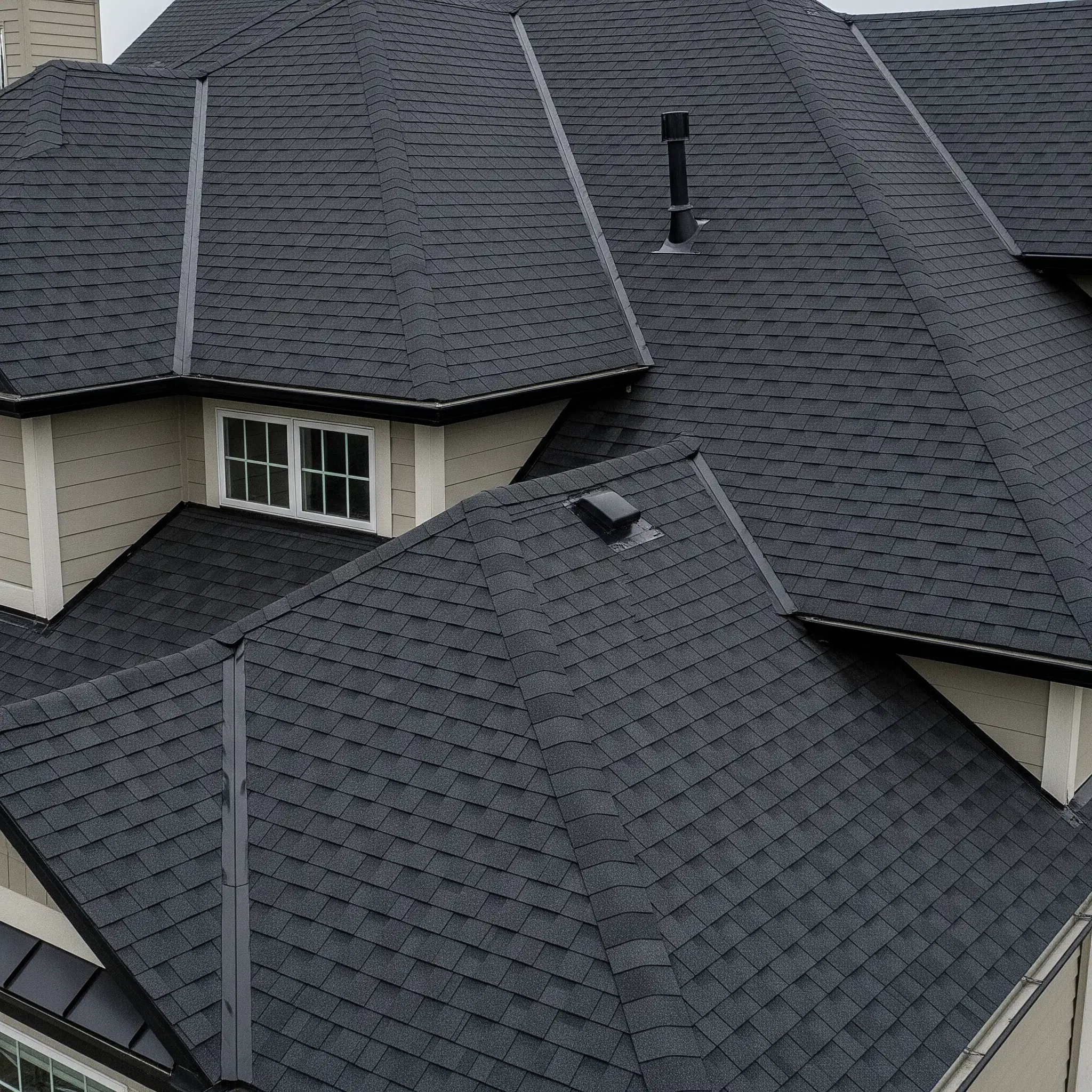
A comprehensive maintenance plan is the most cost-effective strategy to prevent storm damage. Being proactive not only saves money on emergency repairs but also demonstrates due diligence to residents and insurance providers. A robust pre-season checklist should be a standard part of your property management protocol.
Key Maintenance Steps:
- Schedule Professional Inspections: Before the storm season hits, have a qualified roofing contractor perform a thorough roof inspection. They can identify and address minor issues like loose shingles, cracked sealant around vents, or compromised flashing before they become major entry points for water.
- Clear All Gutters and Drains: Ensure all drainage systems are free of leaves, branches, and other debris. This is the single most important step to prevent the formation of ice dams and ensure water is channeled away from the building's foundation and walls.
- Secure Rooftop Equipment: Check that all rooftop installations, such as satellite dishes, solar panels, and HVAC units, are securely fastened and their seals are intact.
- Trim Overhanging Trees: Remove any dead or overhanging tree limbs that could break off in high winds and impact the roof surface.
- Keep Detailed Records: Maintain a log of all inspections, maintenance, and roof repairs. This documentation is invaluable for budgeting, planning future capital expenditures, and processing insurance claims should damage occur.
After the Storm: Identifying and Addressing Damage
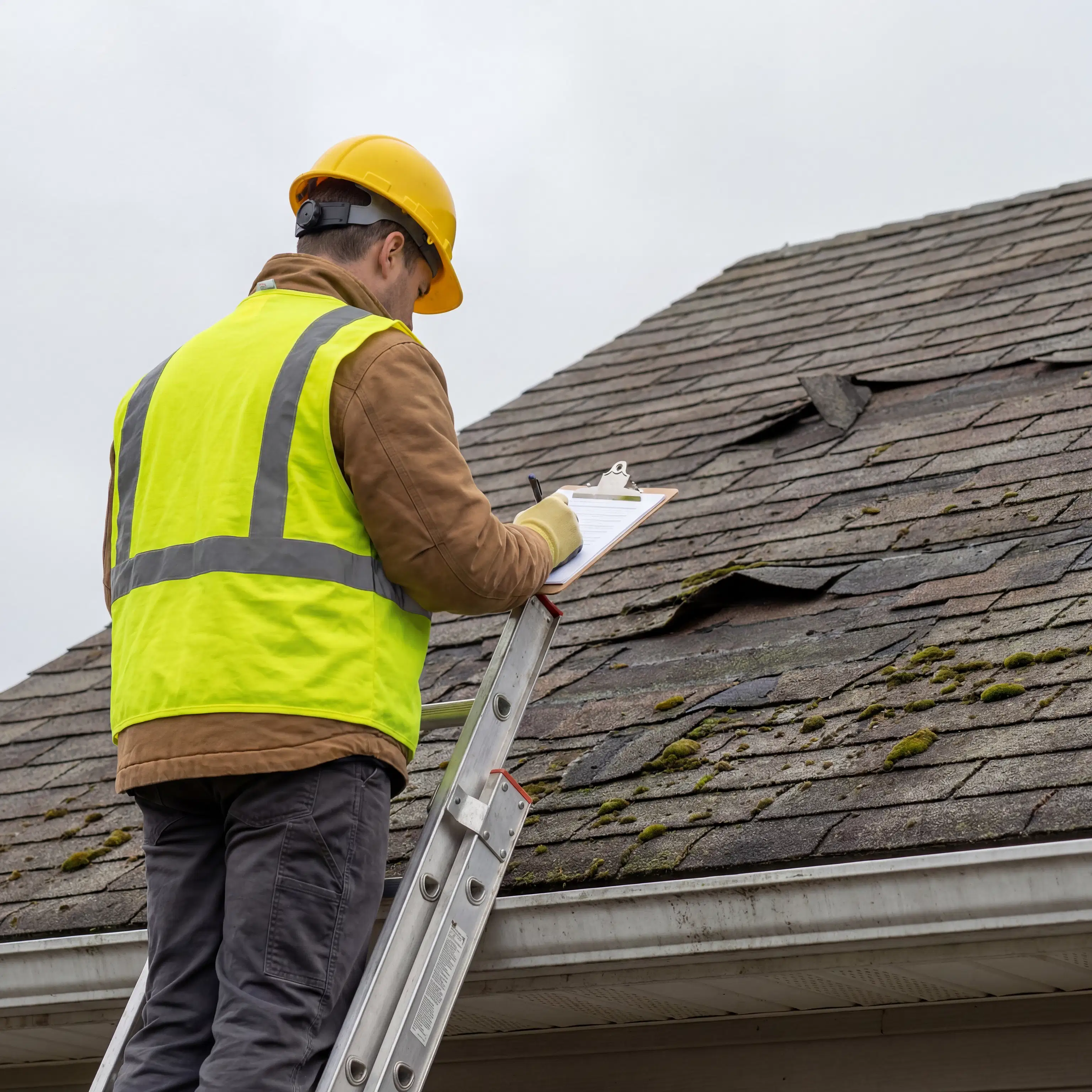
Once a Nor'easter has passed, a prompt and safe assessment of your property's roof is crucial. Acting quickly can prevent a small breach from causing extensive water damage to the building's structure and interior units.
From a safe vantage point on the ground, look for these common signs of storm damage:
- Missing or Damaged Shingles: Scan all visible roof planes for shingles that are curled, cracked, or have been blown off entirely.
- Debris on the Roof: Significant debris can indicate an impact that may have caused underlying damage.
- Damaged Flashing: Check the metal strips around chimneys, vents, and skylights for any signs of lifting or damage.
- Clogged or Damaged Gutters: Look for gutters that are sagging, detached, or filled with shingle granules—a sign of significant wear.
If you notice any of these issues, or if residents report water stains on their ceilings, it's time to call a professional for an expert evaluation. A minor repair handled swiftly is always preferable to a full roof replacement caused by neglect.
Invest in a Storm-Ready Roofing System
When it's time for a roof replacement, selecting materials designed to withstand Connecticut's harsh weather is a wise long-term investment for any multi-family property. Modern roofing technologies offer superior durability and protection.
For ultimate resilience, consider a standing seam metal roof. These systems are renowned for their exceptional wind uplift resistance, longevity, and ability to shed snow and ice effectively, reducing the risk of ice dams. They represent a significant upgrade in protection that can provide peace of mind for decades. Learn more about our metal roofing options.
High-quality architectural shingles with high impact and wind ratings are also an excellent choice, offering robust protection and a wide range of aesthetic options to suit your property's style.
Protect Your Hartford Property with Confidence
Managing a multi-family property carries immense responsibility, and the roof is your first and most critical line of defense against the elements. By implementing a strategy of proactive maintenance and choosing the right materials, you can protect your investment and ensure the safety and comfort of your residents.
If you manage a condo association or multi-family property in the Hartford area, don't wait for the next storm to test your roof's integrity. Contact DryTop Roofing CT today to schedule a comprehensive roof inspection or to discuss our storm-resistant roofing solutions.