A Property Manager's Guide to EPDM Roof Maintenance
As a commercial property manager in the Hartford area, you juggle a dozen priorities at once: keeping tenants happy, managing budgets, and protecting the long-term value of your assets. The last thing you need is an unexpected, costly roof leak that disrupts business operations and leads to emergency repairs. For many commercial buildings, a durable EPDM (Ethylene Propylene Diene Monomer) roof is the first line of defense. This versatile rubber membrane is a popular choice for flat or low-slope roofs for a reason, but its impressive lifespan is directly tied to proactive care. This guide will walk you through the essential maintenance steps to extend the life of your commercial EPDM roof, prevent leaks, and ensure you get the maximum return on your investment.
Why EPDM is a Smart Choice for Connecticut Buildings
Before diving into maintenance, it’s helpful to understand why EPDM is so well-suited for our region's demanding climate. EPDM is a high-performance synthetic rubber roofing membrane known for its exceptional durability and flexibility. It stands up remarkably well to the challenges we see in the Connecticut River Valley, from the intense summer sun and UV radiation to the freezing temperatures and ice of our winters.
Its key advantages include:
- Weather Resistance: EPDM can handle temperature extremes without cracking or becoming brittle. It provides reliable protection against everything from a summer downpour to a winter Nor'easter.
- Longevity: A professionally installed and maintained EPDM roof can last 25 to 30 years, or even longer. This makes it a cost-effective solution over the life of the building.
- Flexibility: The material's flexibility allows it to accommodate building shifts and temperature-related expansion and contraction, reducing the risk of stress-related damage.
Achieving that 30-year lifespan, however, isn't automatic. It requires a consistent and proactive maintenance strategy.
Your Proactive EPDM Maintenance Checklist
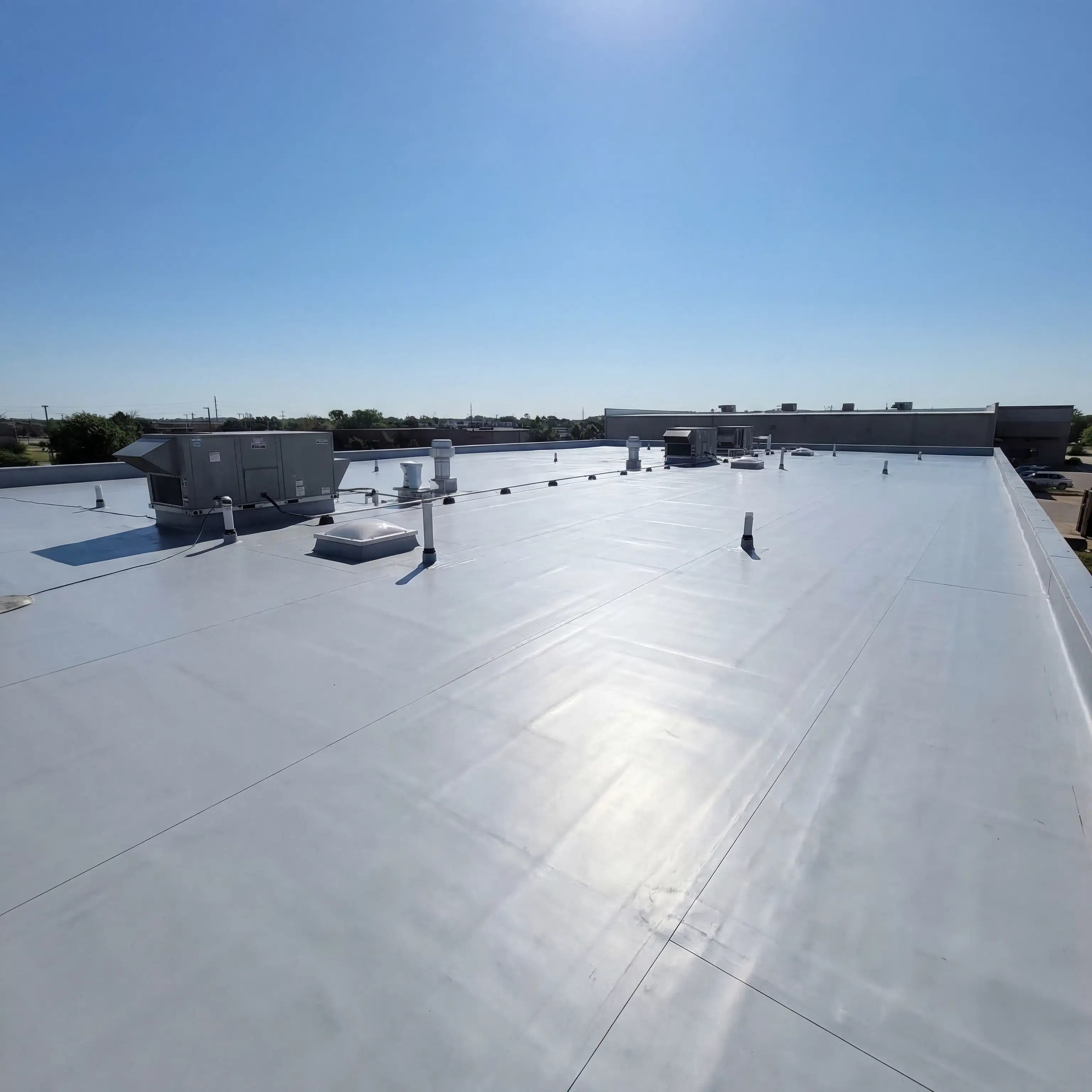
Preventative maintenance is the most effective way to avoid expensive problems and ensure your roof performs as it should. By catching small issues early, you prevent them from becoming major liabilities. We recommend a simple, consistent approach focused on regular checks.
1. Conduct Semi-Annual and Post-Storm Inspections
At least twice a year—ideally in the spring and fall—and after any significant weather event, a thorough visual inspection should be performed. This is your opportunity to spot trouble before it starts.
What to look for:
- Debris and Drainage: Remove any leaves, branches, dirt, or other debris. Pay close attention to drains, scuppers, and gutters to ensure they are clear and water can flow freely. Ponding water is a major red flag, as the added weight can stress the roof structure and accelerate membrane degradation.
- Membrane Surface: Look for any punctures, tears, or blisters. These can be caused by foot traffic, dropped tools, or wind-blown debris. Small punctures are often a simple fix, but if left unaddressed, they become a direct path for water intrusion.
- Seams and Flashings: The seams where sheets of EPDM are joined and the flashings around vents, pipes, HVAC units, and parapet walls are the most vulnerable areas. Carefully check for any signs of separation, peeling, or cracking in the sealant. A failure in these areas is one of the most common causes of leaks.
2. Prioritize Prompt, Professional Repairs
If your inspection reveals a potential issue, addressing it quickly is critical. A small puncture can often be patched effectively, and a failing seam can be resealed by a professional. Delaying these minor roof repairs can allow moisture to penetrate the roofing system, leading to saturated insulation, deck damage, and costly interior repairs. Acting fast saves money and minimizes disruption for your tenants.
When to Call for a Professional Roof Inspection
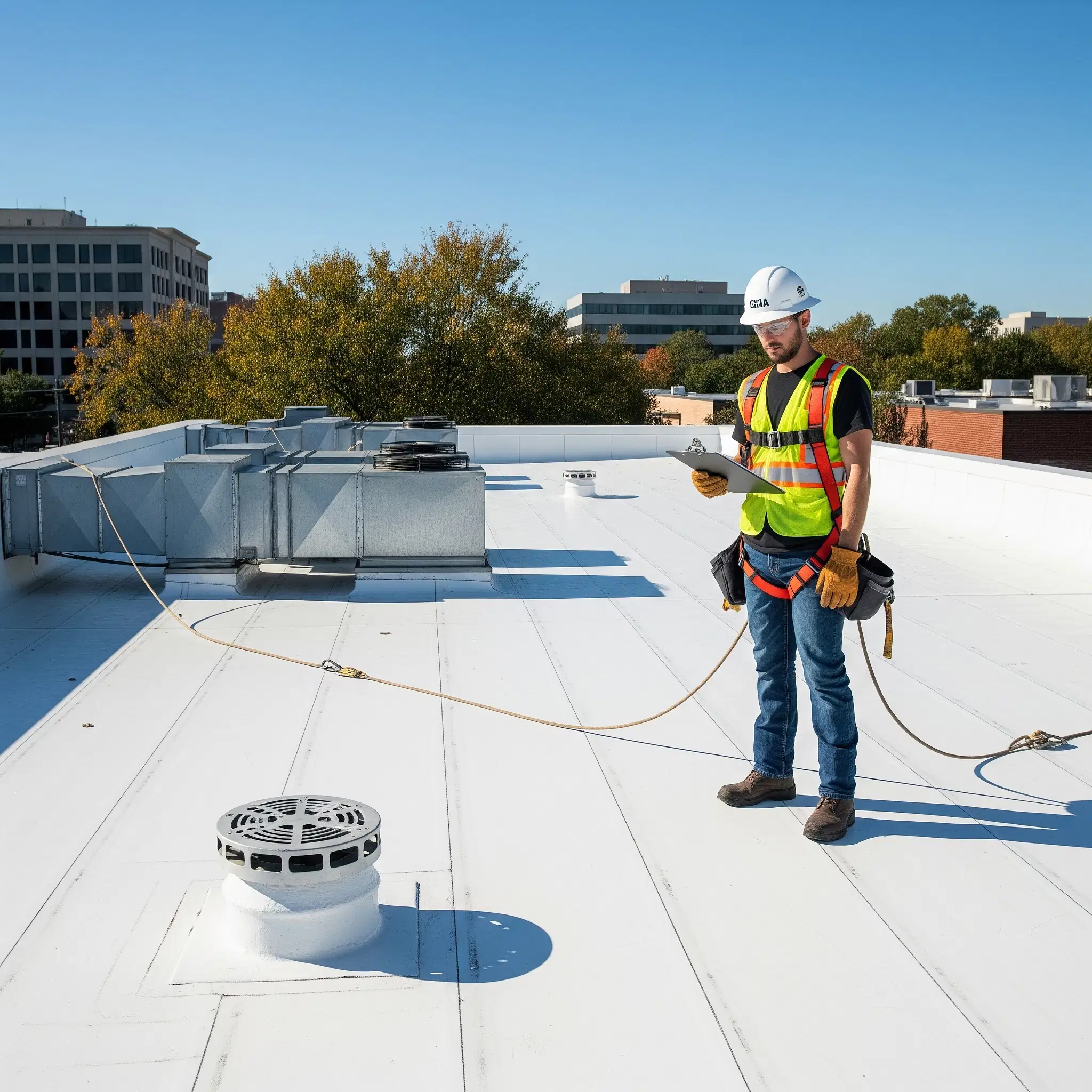
While visual checks are essential, some EPDM roofing issues are subtle and require a trained eye. If you notice any of the following problems, it's time to schedule a professional roof inspection to get an accurate diagnosis and a plan for resolution.
- Membrane Shrinkage: Over time, some EPDM membranes can shrink, causing them to pull away from the edges and flashings. This creates significant gaps where water can easily enter.
- Widespread Blistering: While a few small blisters may not be an immediate concern, numerous or large blisters can indicate trapped moisture or air within the roofing system, which can compromise its integrity.
- Failing Seams: If you see multiple areas where seams are separating, it may point to a systemic issue with the original installation or the age of the adhesive. This requires professional assessment to determine the best course of action, whether it's targeted repairs or a more comprehensive solution.
- Loose or Damaged Flashings: Because flashings are complex and critical, any sign of damage or detachment should be evaluated by an expert immediately to prevent significant water intrusion.
Partnering with a qualified roofing contractor ensures that repairs are done correctly using the right materials and techniques, preserving your roof's warranty and performance.
Protect Your Investment with a Maintenance Plan
For busy property managers, the most effective way to ensure the longevity of a commercial roof is to establish a professional maintenance plan. This approach shifts the responsibility from you to a trusted expert, providing peace of mind and predictable costs.
A maintenance plan helps you:
- Maximize Roof Lifespan: Regular care can add years to the life of your EPDM roof, delaying the significant capital expense of a full replacement.
- Control Your Budget: Avoid the financial shock of emergency repairs by proactively managing your roofing asset with scheduled, budgeted maintenance.
- Maintain Warranty Compliance: Many manufacturer warranties require proof of regular maintenance. A professional plan provides the documentation needed to keep your warranty valid.
- Ensure Tenant Satisfaction: A well-maintained, leak-free roof means no disruptions, no damaged inventory, and happy, productive tenants.
Your Partner in Commercial Roofing
Your commercial roof is a critical asset that protects your entire building. Proactive maintenance is not an expense—it's an investment in durability, performance, and peace of mind. By conducting regular inspections and addressing minor issues promptly, you can significantly extend the life of your EPDM system and avoid costly surprises.
If you manage a commercial property in the Hartford area and want to ensure your roof is in top condition, the team at DryTop Roofing CT is here to help. We specialize in EPDM roofing systems and offer comprehensive inspection and repair services tailored to the needs of property managers. Contact us today to schedule an inspection and learn how we can help you protect your investment.